

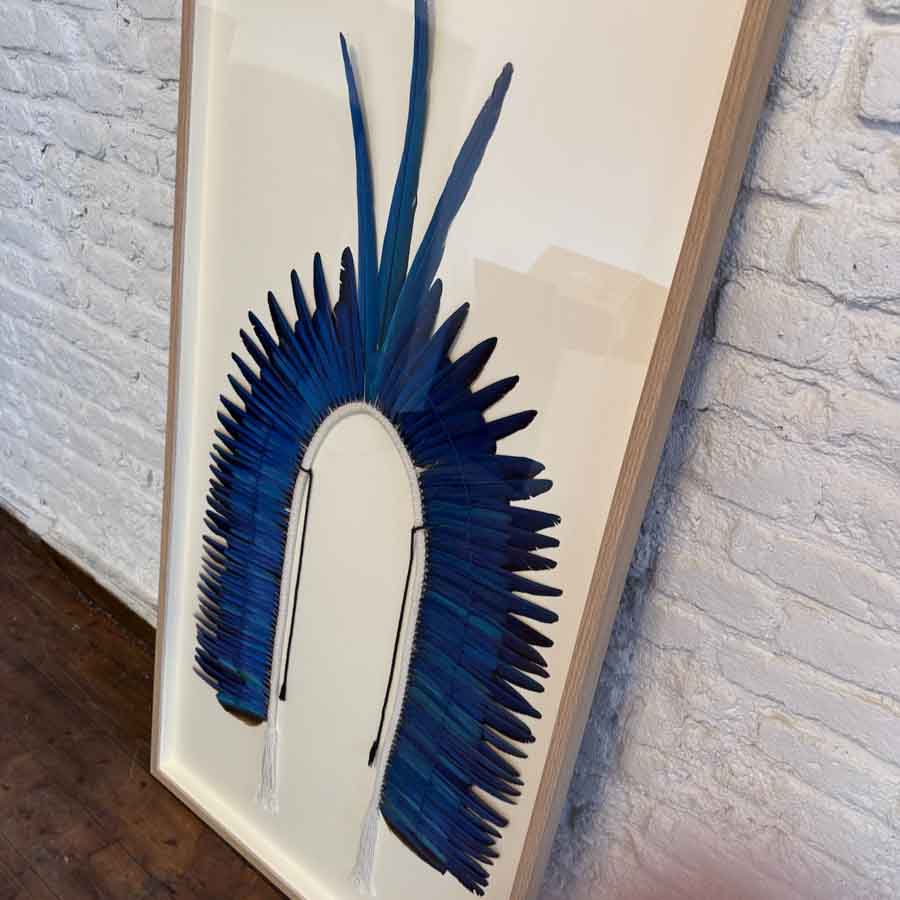
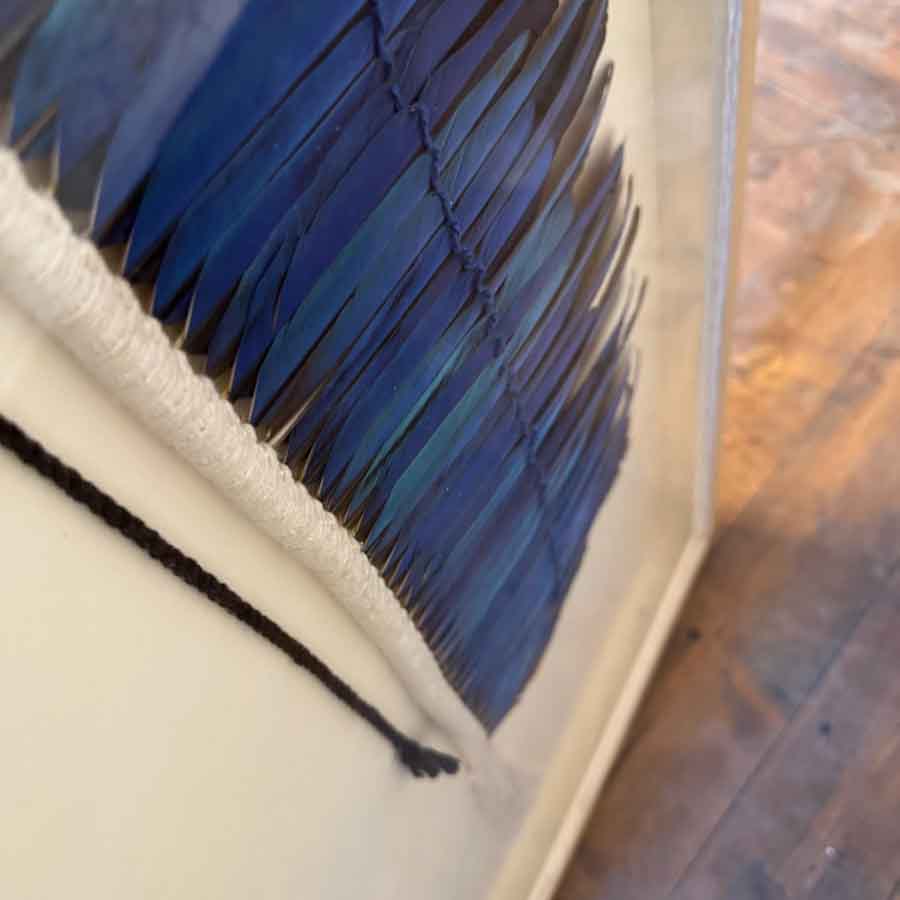
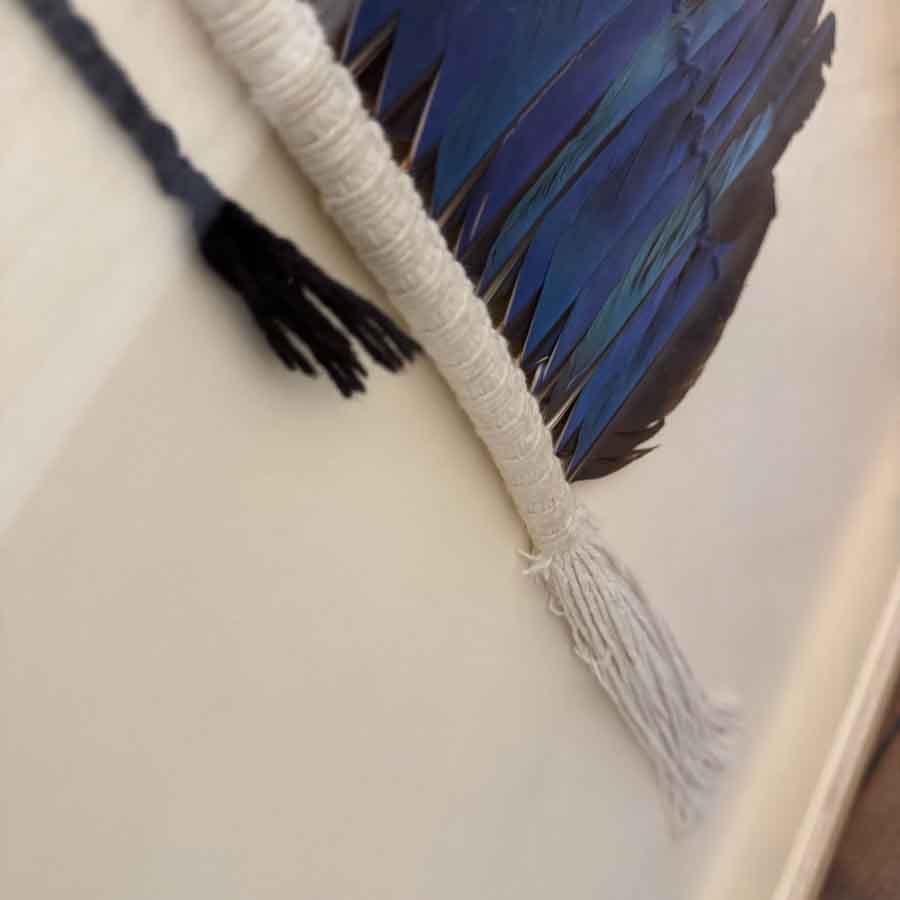

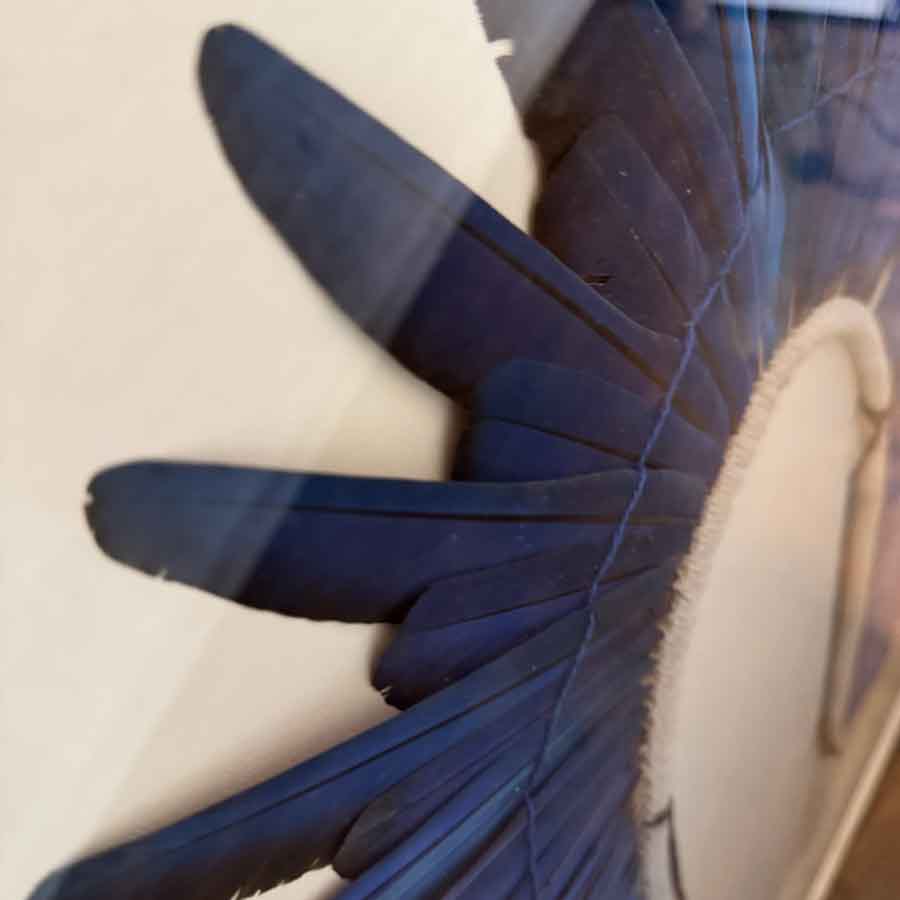
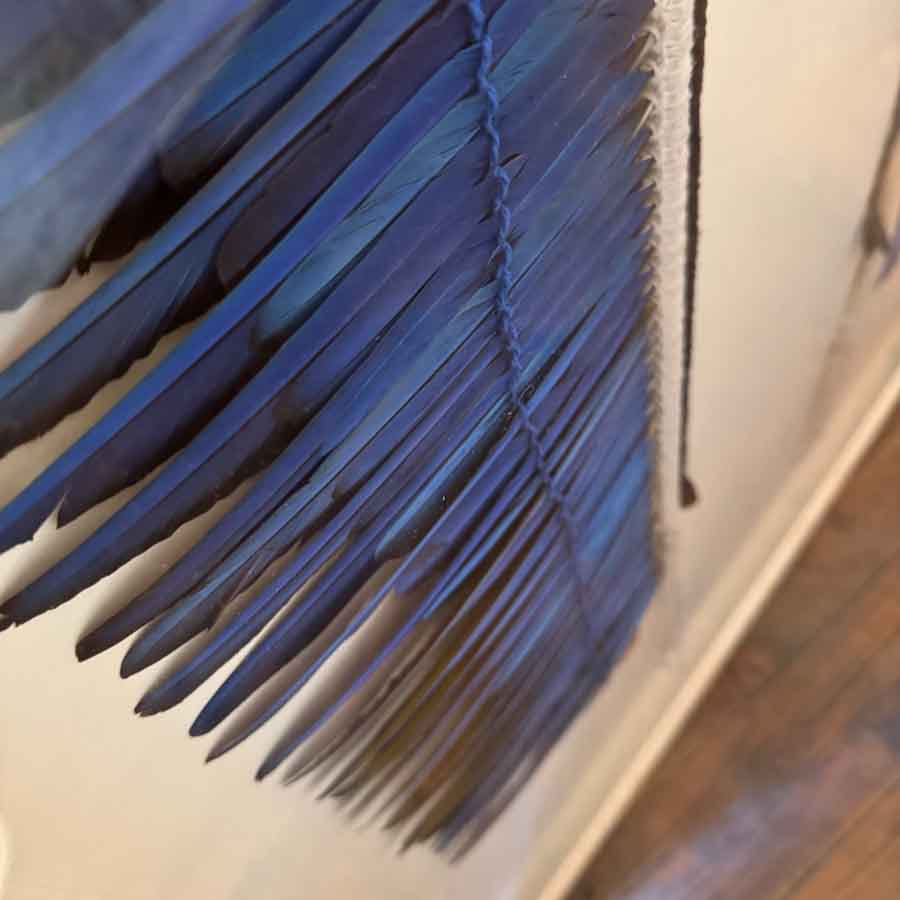
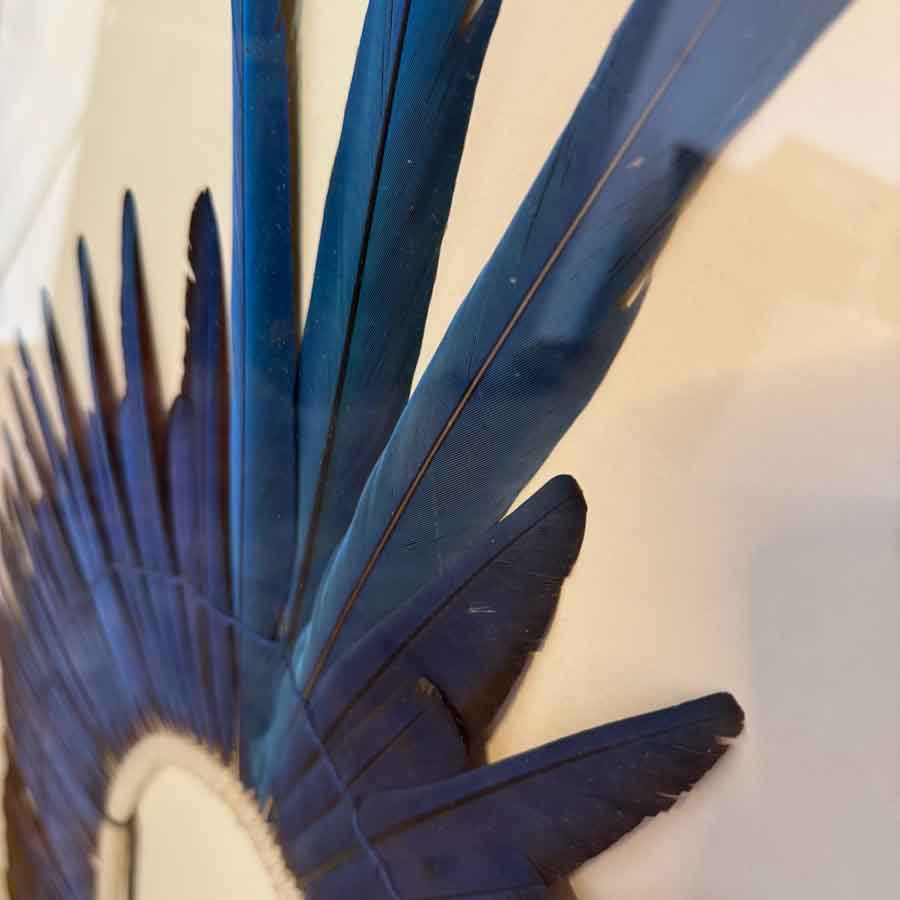
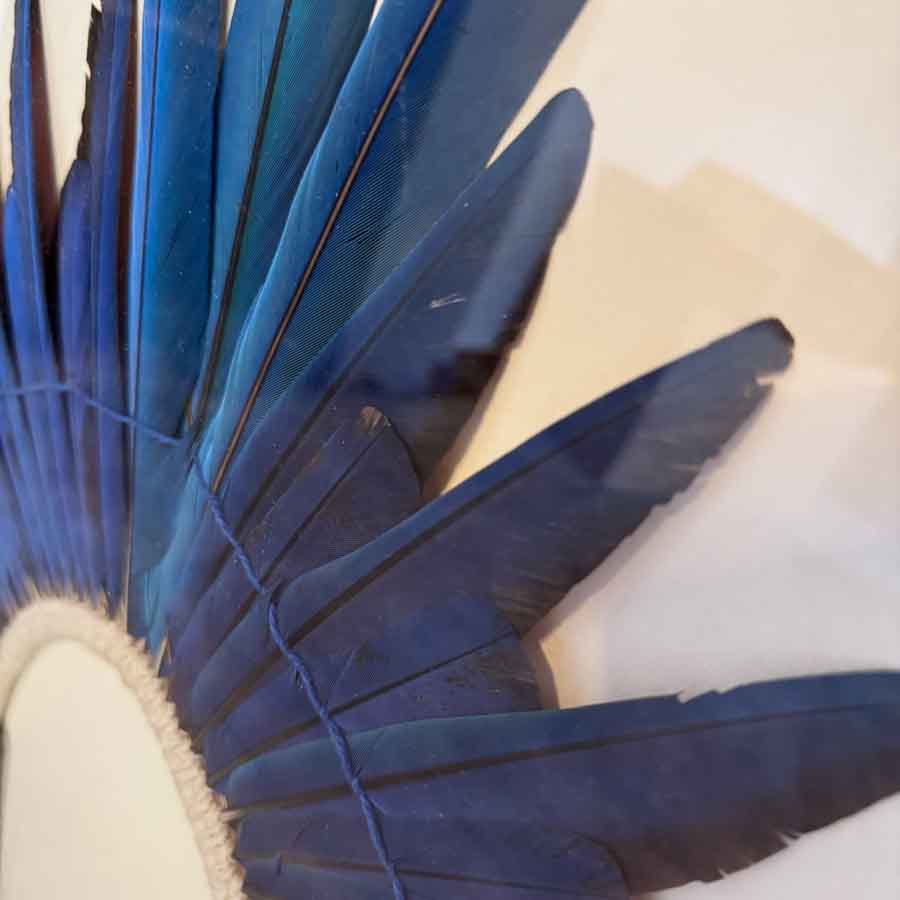
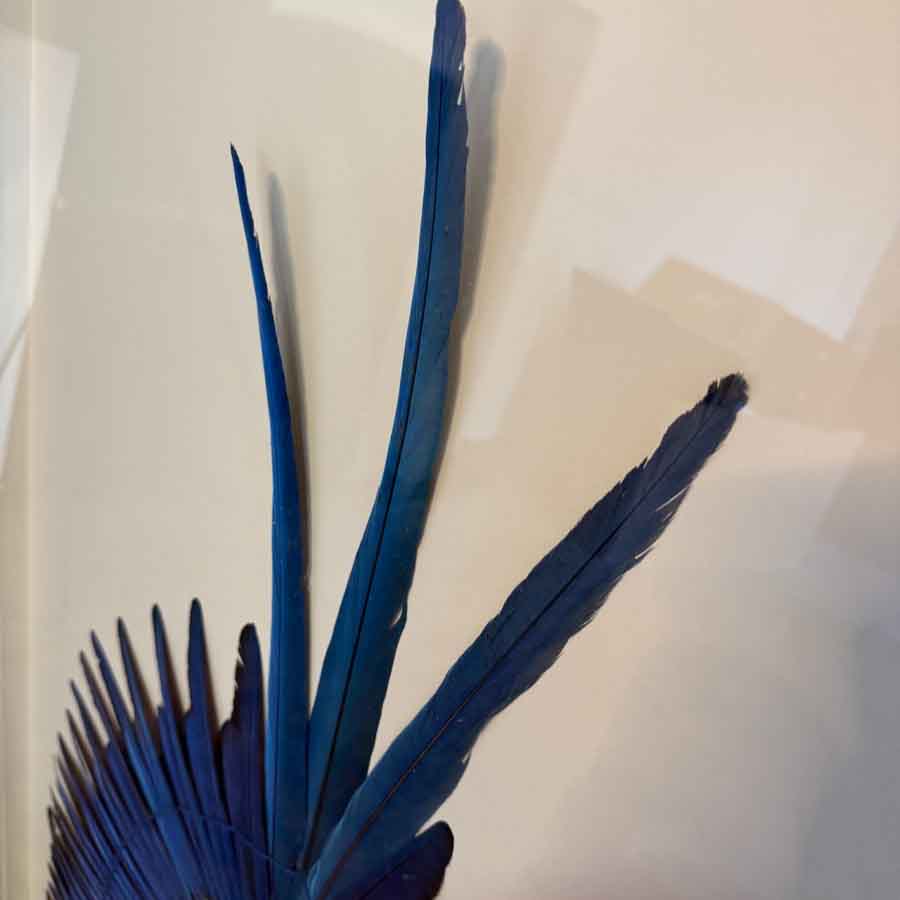


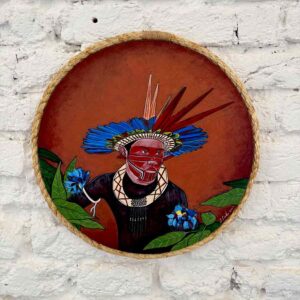
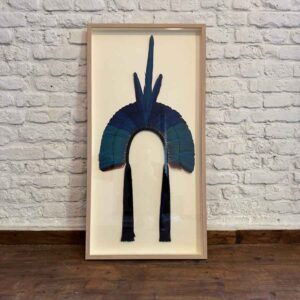
For indigenous tribes, the headdress symbolizes identity, status and history. It is an object that represents a connection to nature and ancestors, and is therefore part of the clothing for many ceremonies and festivals. Cocar also protects warriors and is a symbol of authority, respect and responsibility.
Each element of the headdress has a special meaning. The imaginary crown represents the need to keep thoughts focused. The tips of the feathers are a symbol of the flexibility that is necessary for a good human life. The open shape of the headband represents the search for new knowledge and experience. The feathers represent the indigenous people's relationship with nature and animals. The colours and patterns of the feathers can indicate the tribe they come from and even the leadership position of someone within the community. Each feather, stone or bead has a connection to the land, the elements of nature and the spirits that protect and guide the tribal community.
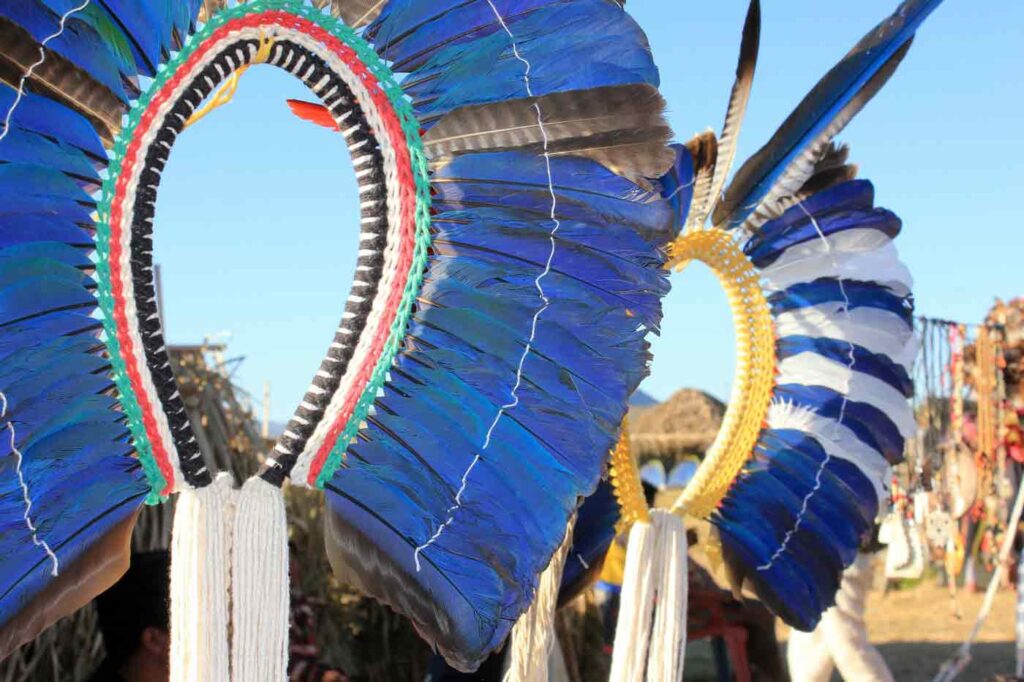
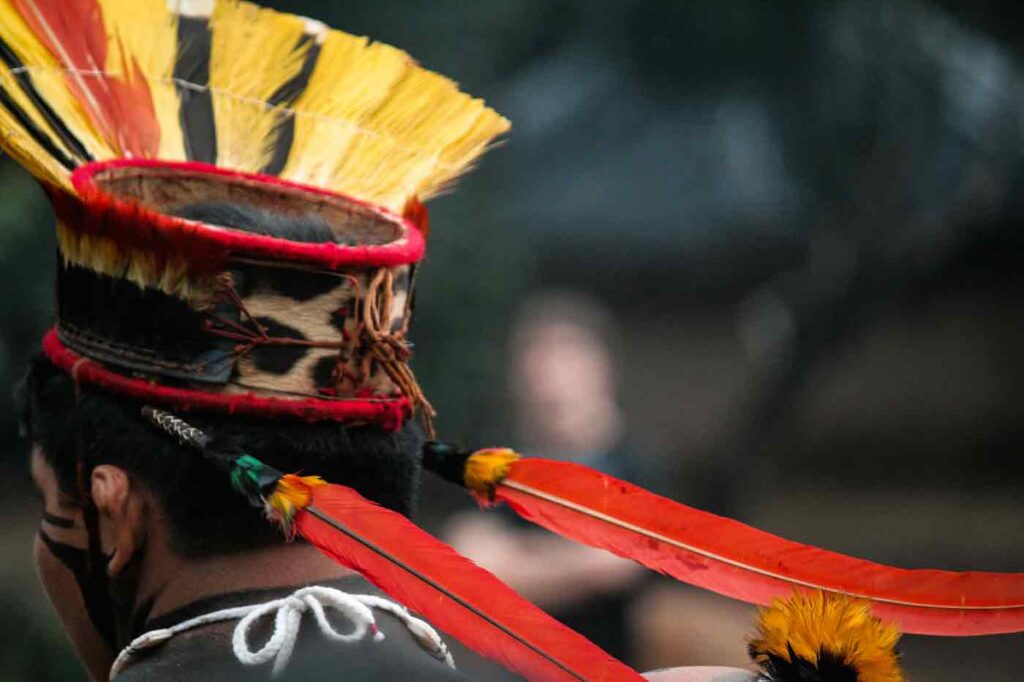
The headdress has no spiritual power if the bird is killed for its feathers. It's a gifting process, you have to wait until the bird's feathers fall off. So finding feathers in the bush is an act of spiritual gift from the bird to the person. It is a gift with spiritual significance. The headdress thus represents, among other things, the ancestral power present in bird forms. The feathers used in the headdresses come from birds native to their area, such as the hyacinth macaque and oropendola chocholata. Birds found in the Amazon are naturally colourful, so the feathers are not dyed.
The indigenous headdress is a reminder that the cultural diversity of our world is a treasure to be cherished and protected. By learning about the traditions and meanings behind each individual headdress, we can cultivate a deeper understanding and appreciation for Indigenous cultures and contribute to a more inclusive and respectful world for all. When we see someone wearing a headdress, it is essential to show them respect and understand that they are sharing a piece of their identity and culture with us.
Kayapó
The Kayapas are an indigenous people who live in a vast territory in the Brazilian states of Pará and Mato Grosso, south of the Amazon and along the Xingu River, specifically the Cocas are made in the village where the leader of the people is Raoni Metuktire. The Kayapó revere the importance of the relationship between the land and the people. This worldview is woven into their traditional myths, cosmology and rituals, which abound in their traditional customs. Their rainforest home has been an area of particular concern over the past 30 years, beginning with mining and logging ventures that have threatened to destroy the rainforest and thus the Kayapo way of life.
Recension
There are no reviews yet.