
The history of the talking stick begins with Native Americans, who for hundreds of years used it as a tool to express their views during council meetings and other important tribal events. It ensured adherence to a code of conduct and respect during meetings. The person holding the cane, and only that person, is designated as the person who has the right to speak, and all others must listen quietly and respectfully. When it is the turn of someone with a talking stick, it is up to them to speak without interruption. As the talking stick is passed from person to person, ideas and opinions are shared and respected.
They also use the talking stick when teaching and sharing stories with children to teach them that every opinion deserves to be heard by everyone in the room. Even the smallest voice is heard.
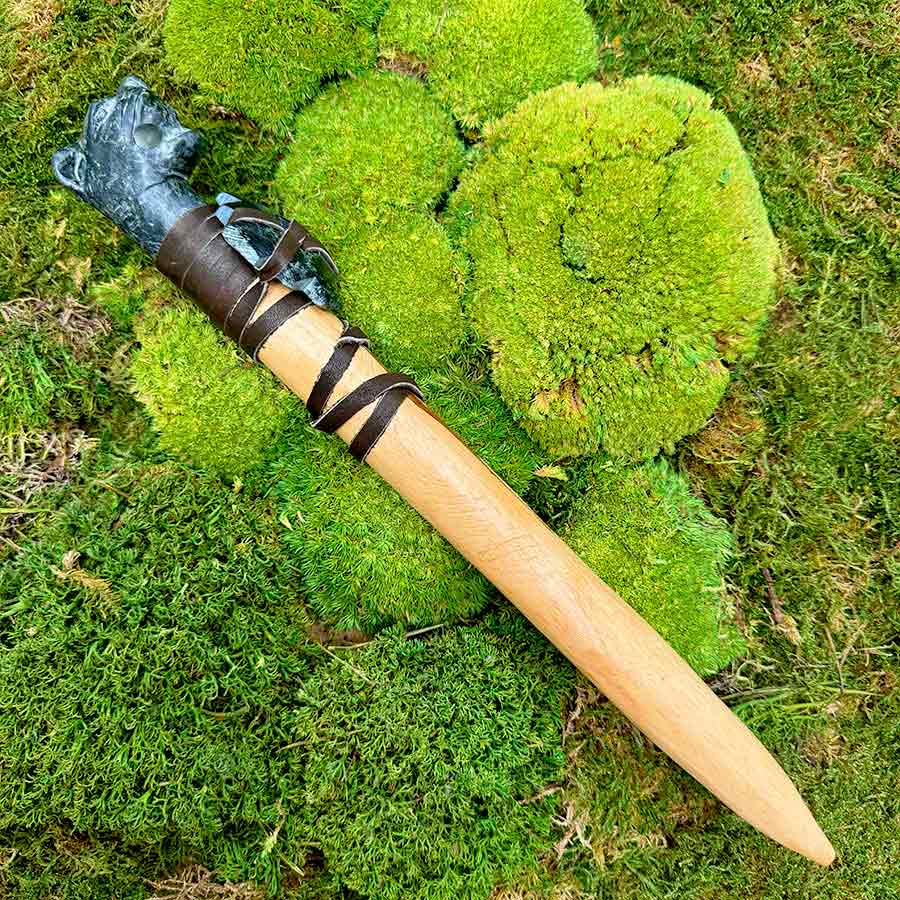
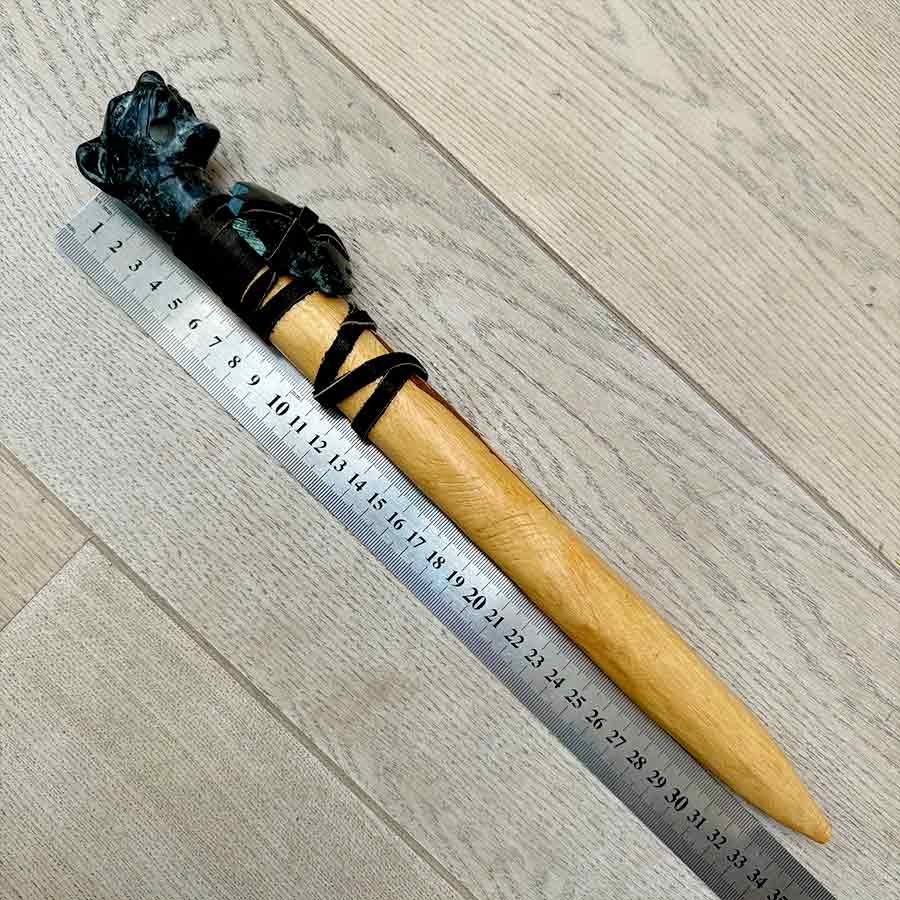
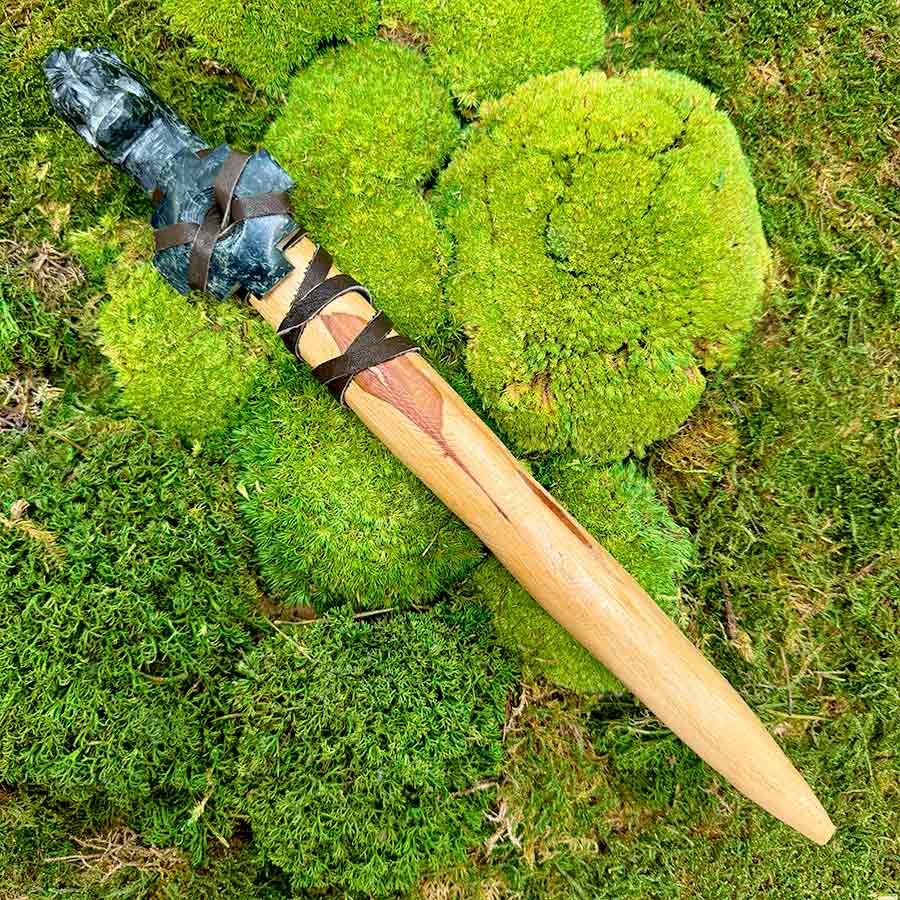
This talking stick was made by our friend David from Cusco, Peru.
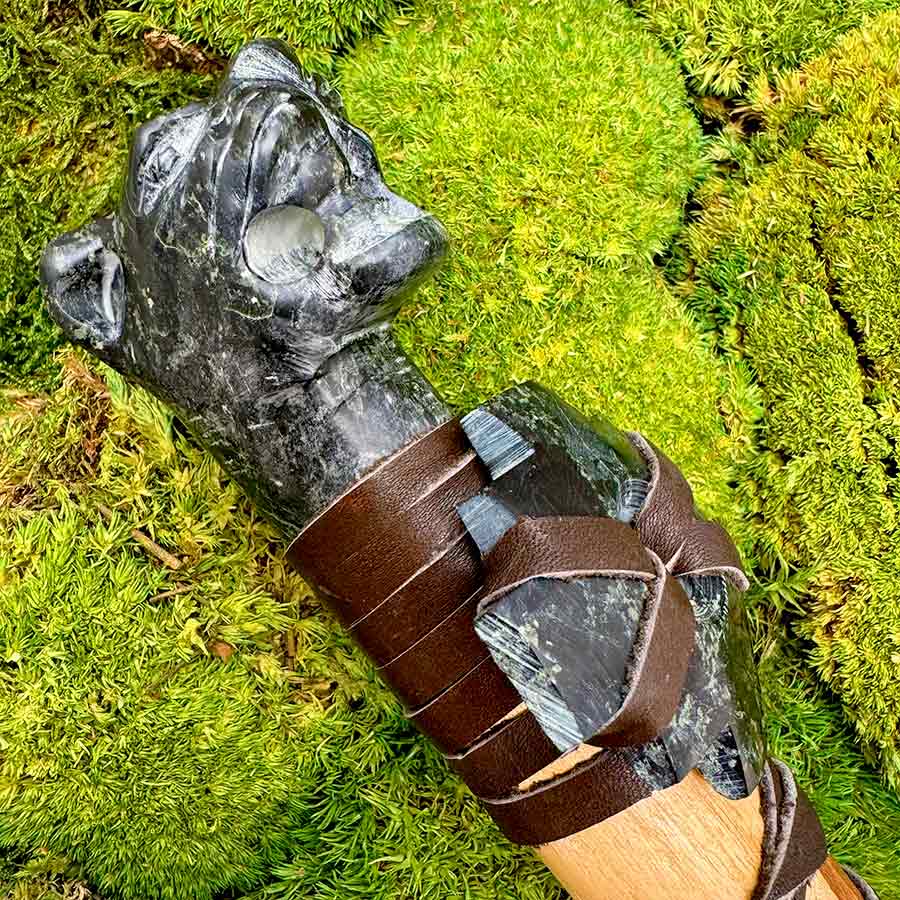
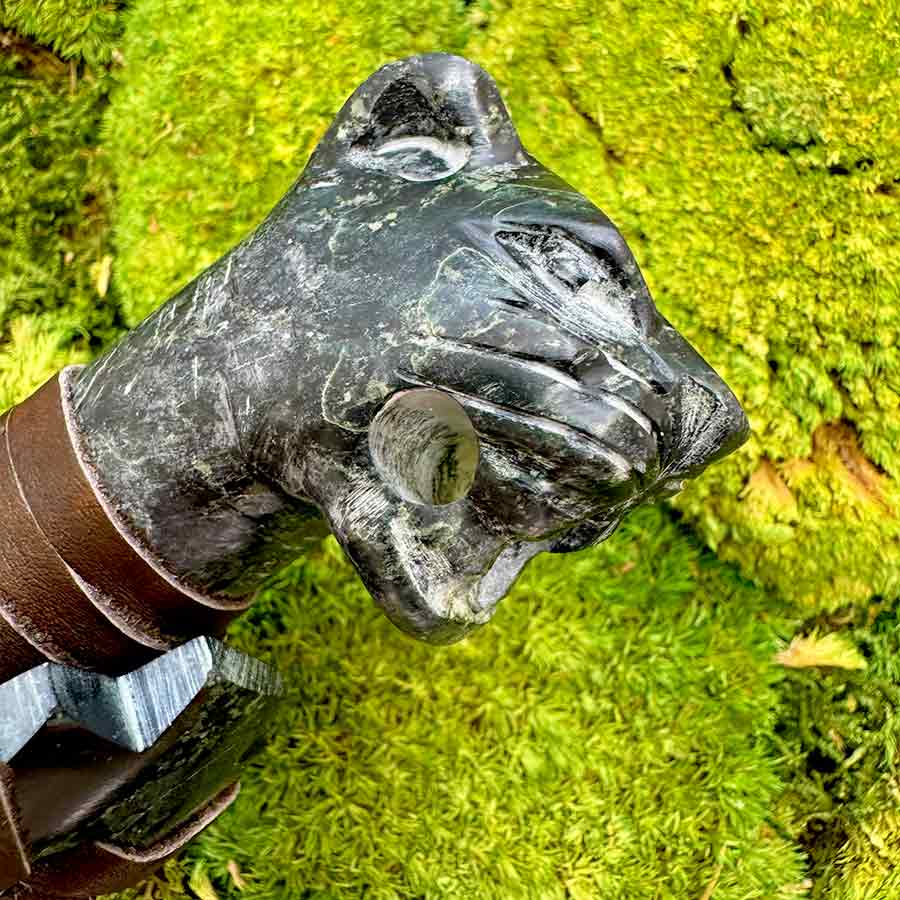
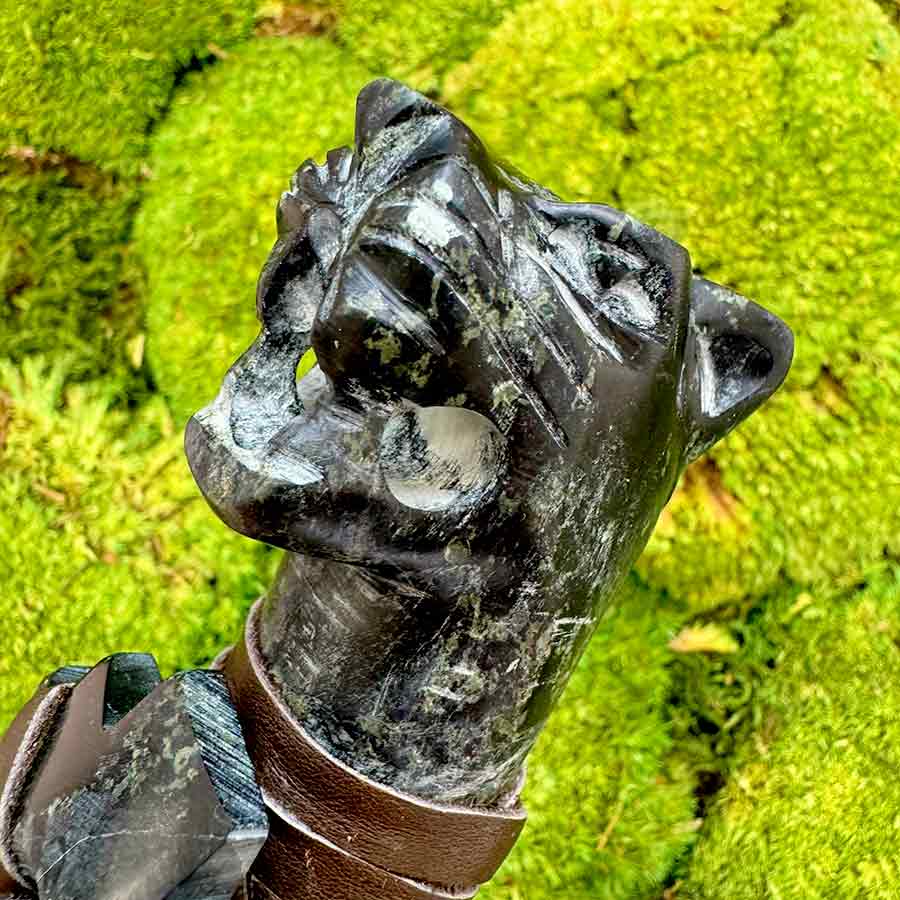
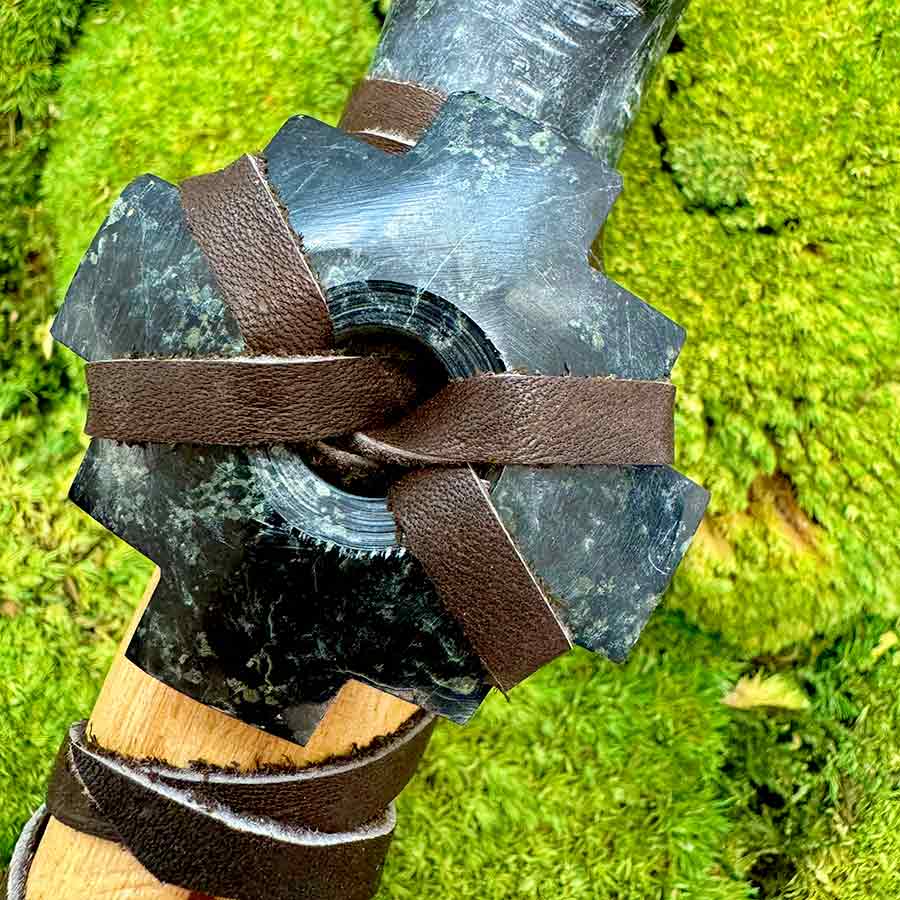
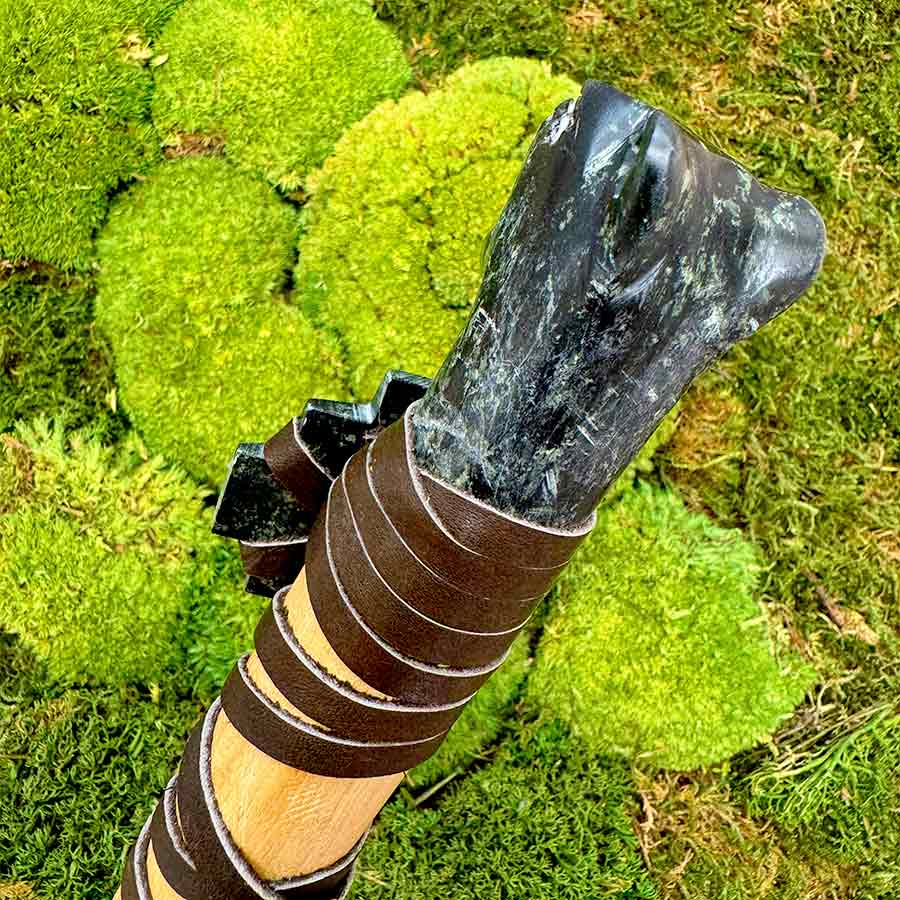
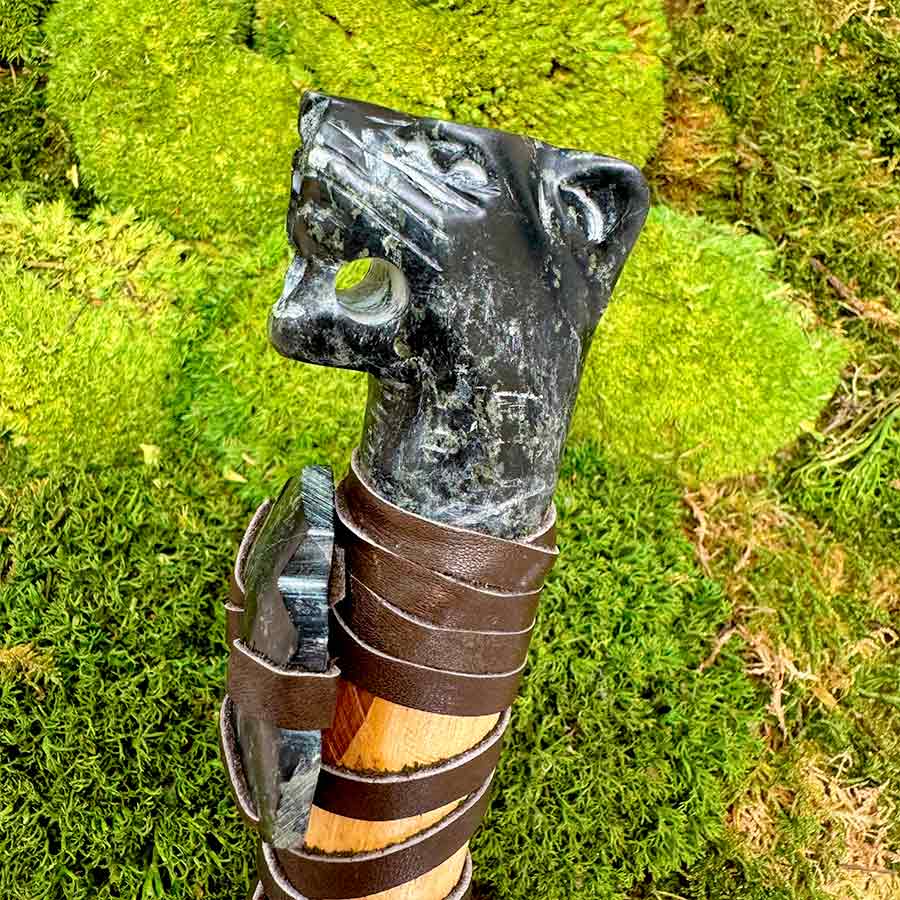
It is made of palo Santo and Serpentinite wood. The head of the stick is depicted as the head of a Jaguar. The wand also bears the symbol of Chakan, the Inca symbol for bridge, or transformation.
Recension
There are no reviews yet.